Quick Answer
• Sumi-e — any art made with ink or black pigment (broad umbrella term)
• Suibokuga — ink wash painting that uses water-ink bleeding and gradation (specific genre)
• Relationship: Suibokuga ⊂ Sumi-e — suibokuga is one tradition within the larger world of sumi-e
"What exactly is the difference between suibokuga and sumi-e?"
If you've ever been captivated by Japanese art or explored East Asian artistic traditions, this question has likely crossed your mind. While these terms are often used interchangeably in the West, there's a fascinating and important distinction that deepens our understanding of Japanese artistic philosophy.
Here's the essential truth: Sumi-e is the broader category, and suibokuga is a specific genre within it.
Expressed mathematically:
Suibokuga ⊂ Sumi-e
Understanding this relationship not only enriches your appreciation of Japanese art but also opens new perspectives for contemporary artistic expression. Let's explore why this relationship exists by examining the etymology, techniques, and historical examples that define these two terms.
The Essence of Suibokuga: The Aesthetics of "Suiun-Bokusho"
Technical Definition Hidden in Etymology
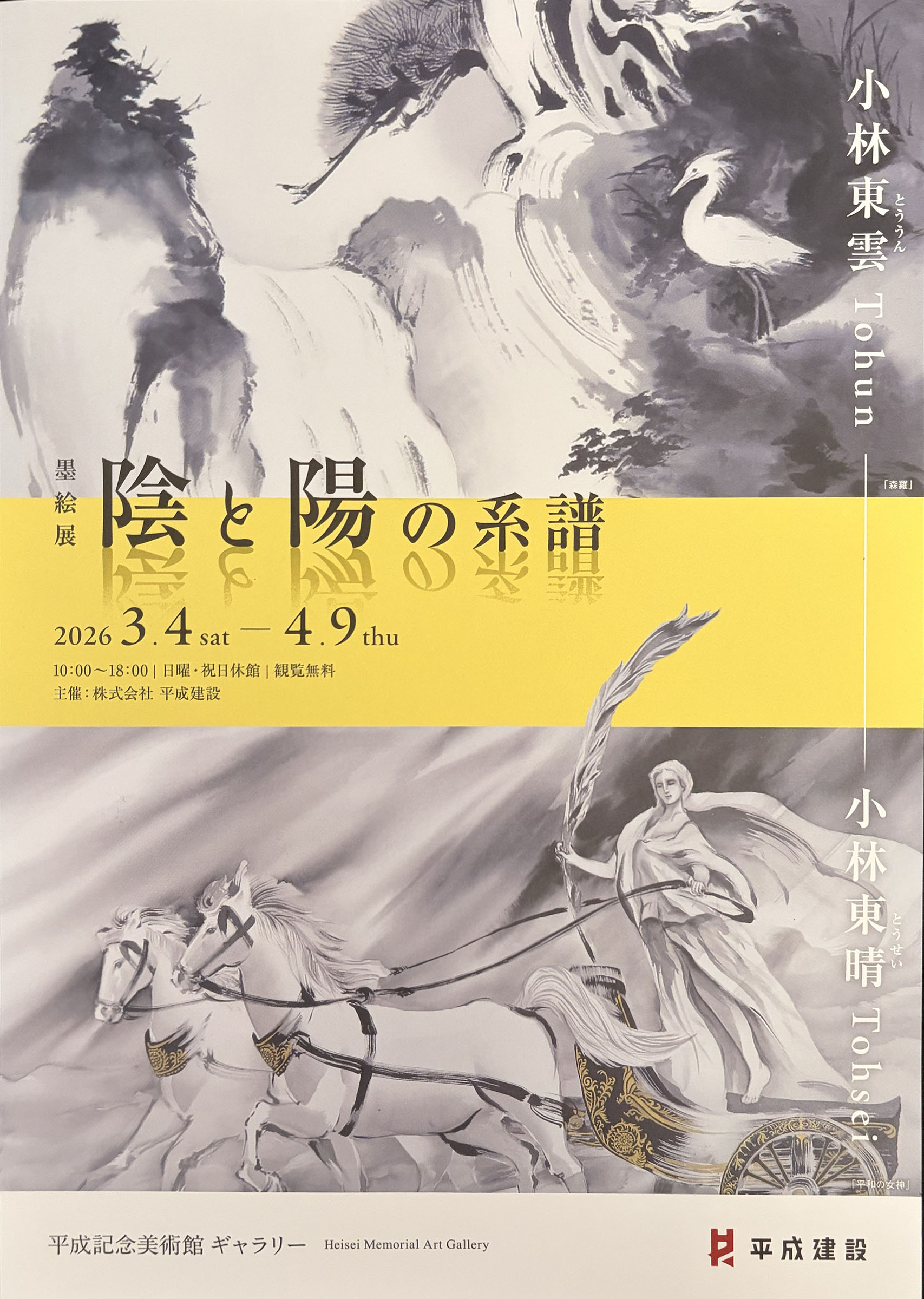
The term suibokuga (水墨画) is rooted in a profound concept called "suiun-bokusho" (水暈墨章), which reveals the art form's essential character.
- Suiun (水暈): The technique of using water to blur, fade, and create bleeding effects with ink
- Bokusho (墨章): Patterns and forms expressed through ink's tonal variations and gradations
The essence of suibokuga lies in "expression born from the interaction of water and ink." The serendipitous patterns created when water and ink meet on paper, the subtle gradations that emerge, and the embrace of negative space form the philosophical core of this art form.
Characteristic Features of Suibokuga
Suibokuga emphasizes several distinctive elements that set it apart from other ink-based art forms:
- Natural bleeding and blurring effects created by water's interaction with ink
- Depth expression through ink gradations - traditionally known as the "five colors of ink" (dark, medium, light, scorched, and clear)
- The aesthetics of negative space - utilizing "ma" (間), the concept of meaningful emptiness
- Atmospheric effects such as mist, fog, and clouds, especially in landscape paintings (sansuiga)
- Form expression through washes and surfaces, not merely linear elements
In this way, suibokuga treats the very interaction between water and ink as the primary aesthetic subject, making it a distinctive technique where the medium itself becomes part of the artistic message.
The Chōjū-Giga Paradox: An Intriguing Problem
Contradictions Revealed Through Technical Analysis
Here's where our understanding becomes more nuanced. Consider one of Japan's most beloved artistic treasures: the Chōjū-jinbutsu-giga (Scrolls of Frolicking Animals and Humans), often called the precursor to modern manga.
When we analyze Chōjū-giga's technical characteristics:
- The artwork primarily employs clear, dynamic line drawing (hakubyōga or outline drawing style)
- Bleeding and blurring techniques are rarely used
- While diluted ink is employed, the distinctive "suiun" (water-blur) effects are minimal
- The style focuses on expressive linework rather than atmospheric washes
If we define suibokuga strictly as art requiring "water-blurred ink expression," then Chōjū-giga technically wouldn't qualify as suibokuga - a conclusion that feels somewhat incomplete given its significance in Japanese ink art history.
Yet Chōjū-giga is universally discussed within the context of Japanese ink painting traditions. This apparent contradiction reveals why we need the broader concept of "sumi-e" to fully understand Japanese ink art.
Sumi-e: Humanity's Fundamental Expression
A Comprehensive Yet Clear Definition
The definition of sumi-e is elegantly simple and refreshingly inclusive:
"Any artistic expression created using sumi (ink) or similar black pigments"
This broad definition naturally encompasses:
- Traditional suibokuga with its characteristic washes and atmospheric effects
- Line-based works like Chōjū-giga that emphasize brushwork and form
- Calligraphy-painting fusion where text and image merge seamlessly
- Contemporary abstract expressions using ink in innovative ways
- Digital artworks that reproduce or reinterpret ink textures and aesthetics
The Universality of Sumi-e: From Lascaux to Today
Let's expand our perspective to a truly global scale. Consider the magnificent Lascaux cave paintings in France, created approximately 20,000 years ago. These powerful images of animals were created using charcoal, manganese, and other black mineral pigments.
From a material standpoint, these ancient works employed what we might call "ink" in the broadest sense - carbon-based and mineral black pigments applied to create lasting images. In this light, the Lascaux cave paintings represent humanity's oldest "sumi-e".
This perspective reveals that sumi-e isn't uniquely Japanese but rather represents humanity's fundamental impulse to create visual meaning using the most basic and accessible medium: black marks on a surface.
Practical Significance for Contemporary Artists
Expanding Creative Possibilities Through Understanding
Grasping this distinction opens up exciting possibilities for anyone interested in exploring ink as an artistic medium.
When approaching your work as "suibokuga" (ink wash painting):
- You connect with traditional East Asian techniques and their philosophical foundations
- Your focus naturally turns to washes, gradations, and atmospheric effects
- You explore Zen-inspired aesthetics emphasizing simplicity and meaningful empty space
- You position yourself within centuries of landscape painting tradition
When embracing the broader field of "sumi-e" (ink art):
- You gain complete creative freedom while honoring the medium's heritage
- Your work can incorporate experimental techniques, mixed media, and contemporary themes
- You can easily connect with international contemporary art movements
- Digital integration and hybrid approaches become natural extensions of your practice
International Recognition and Cultural Bridge-Building
In English-speaking countries, you'll most commonly encounter these terms:
- "Sumi-e" - widely used as a direct loan word from Japanese
- "Ink wash painting" - often used for works emphasizing gradational techniques
- "Japanese ink painting" - a descriptive phrase helpful for newcomers to the tradition
The term "Sumi-e" has gained particular international recognition alongside Japanese Zen culture, appreciated for its embodiment of simplicity and spiritual depth.
Frequently Asked Questions
Q1: What's the most important difference between suibokuga and sumi-e?
A: Suibokuga is a specific genre centered on "suiun-bokusho" - the technique of blurring and bleeding ink with water to create atmospheric effects. Sumi-e is the comprehensive term for any artwork created with ink or similar black pigments. Think of suibokuga as one beautiful room within the much larger house of sumi-e.
Q2: Is Chōjū-giga considered suibokuga or sumi-e?
A: Chōjū-giga primarily uses line drawing with minimal bleeding or atmospheric effects, so it doesn't fit the strict technical definition of suibokuga. However, since it's created entirely with ink, it's definitely sumi-e in the broader sense.
Q3: Is sumi-e uniquely Japanese?
A: While "sumi-e" is a Japanese term, the concept of creating art with black pigments is universal to human culture. From Lascaux cave paintings to Chinese ink traditions to contemporary street art worldwide, humans have always been drawn to making black marks on surfaces.
Q4: What materials do I need to start exploring sumi-e?
A: You can begin with surprisingly simple materials: sumi ink (or an ink stick with grinding stone), various brushes, absorbent paper (traditional washi is ideal but not essential), and water for dilution and effects. Many art supply stores now carry beginner sets.
Q5: Can I practice sumi-e without formal training?
A: Absolutely! While traditional suibokuga benefits from instruction in specific techniques, sumi-e's inclusive nature welcomes experimentation and self-directed exploration. The key is understanding your materials' fundamental properties while developing your unique artistic voice.
Summary
- Suibokuga: A refined technique centered on "suiun-bokusho" (water-ink interaction and gradation)
- Sumi-e: A comprehensive term for any expression using ink or black pigments
- Relationship: Suibokuga is one sophisticated tradition within sumi-e's vast creative universe
Whether you're drawn to the meditative discipline of traditional suibokuga or the boundless experimentation of contemporary sumi-e, ink remains one of humanity's most direct and powerful means of artistic expression.
.jpeg)
.jpeg)